From Mud Pies to Masterpieces: The Benefits of Messy Play
Anyone who brings their little one to Sandytots is always told two things:
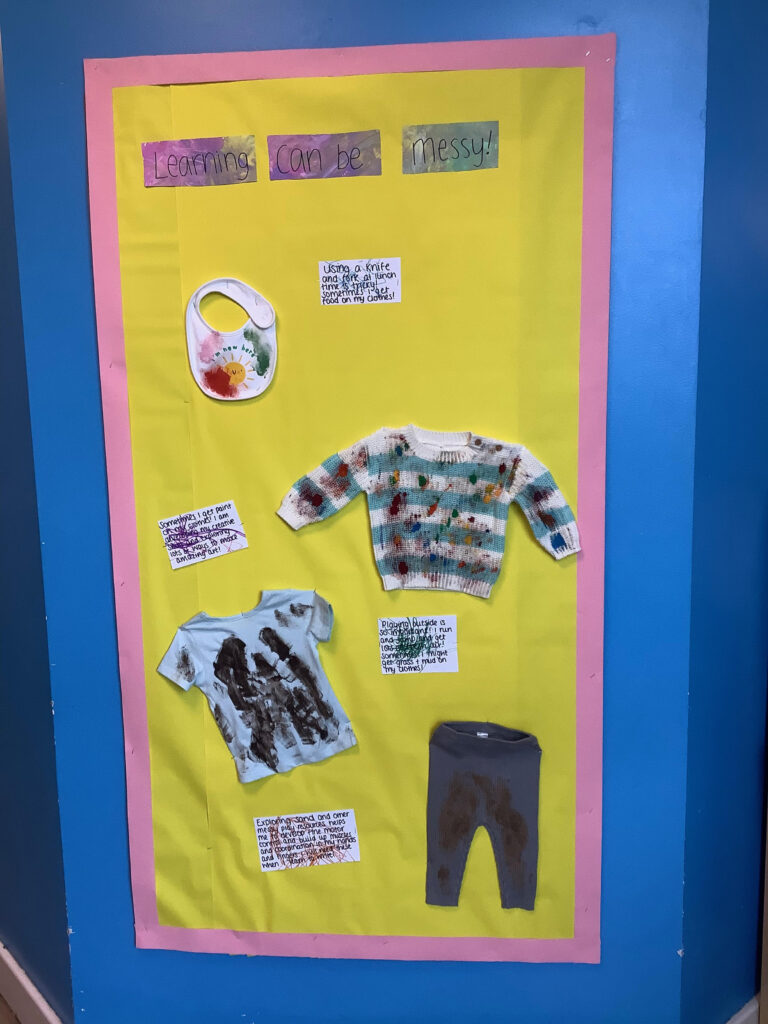
👕 Never bring them in their best clothes. 🎒 Always pack a spare set.
From accidents to food spillages, spare clothes are always a good idea. But most importantly, we’re firm believers that some of the very best learning gets messy. Whether it’s muddy hands in the Mud Kitchen, paint on sleeves or compost under fingernails, these moments are often where the richest learning happens.
Let’s dive into the wonderful world of messy play and discover why muddy knees, paint-splattered sleeves and an overflowing laundry basket are all part of childhood.
What is Messy Play?
Messy play is all about encouraging children to explore the world around them using their five senses: touch, taste, smell, sound and sight. From squishing mud and splashing water to smelling flowers and listening to leaves crunch underfoot, messy play opens up endless opportunities for discovery.
By exploring different materials, textures and objects, children develop creativity, problem-solving skills and their understanding of the world around them.
Best of all? They’re learning without even realising it.
Why is Messy Play Important?
According to the NHS, Messy play helps with your child’s development in lots of different ways.
It can help:
Physical skills: Messy play encourages your child to play with smaller objects. They will be able to feel, hold and mold objects and materials. This builds their coordination and hand skills, also known as fine motor skills.
Cognitive skills: It helps the development of important cognitive skills such as how your child thinks, learns, explores and solves problems.
Understanding their senses: As your child plays, they will be using a lot of their senses. The most used sense during messy play will be touch and sight. They can explore new textures and sensory experiences.
Social skills: Messy play can be a social group activity. They can also learn important skills like sharing and turn taking by playing with other children during messy play.
Imagination: It gives your child an opportunity to try new things and experiment in a safe environment.
Self-esteem and self-expression: It can help your child feel safe to experiment more as they play as they know there is no right or wrong way to play.
Types of Messy Play and Their Benefits
We believe the more the messier! So here are some of our favourite types of messy play and how they can benefit your child.
Mud Play
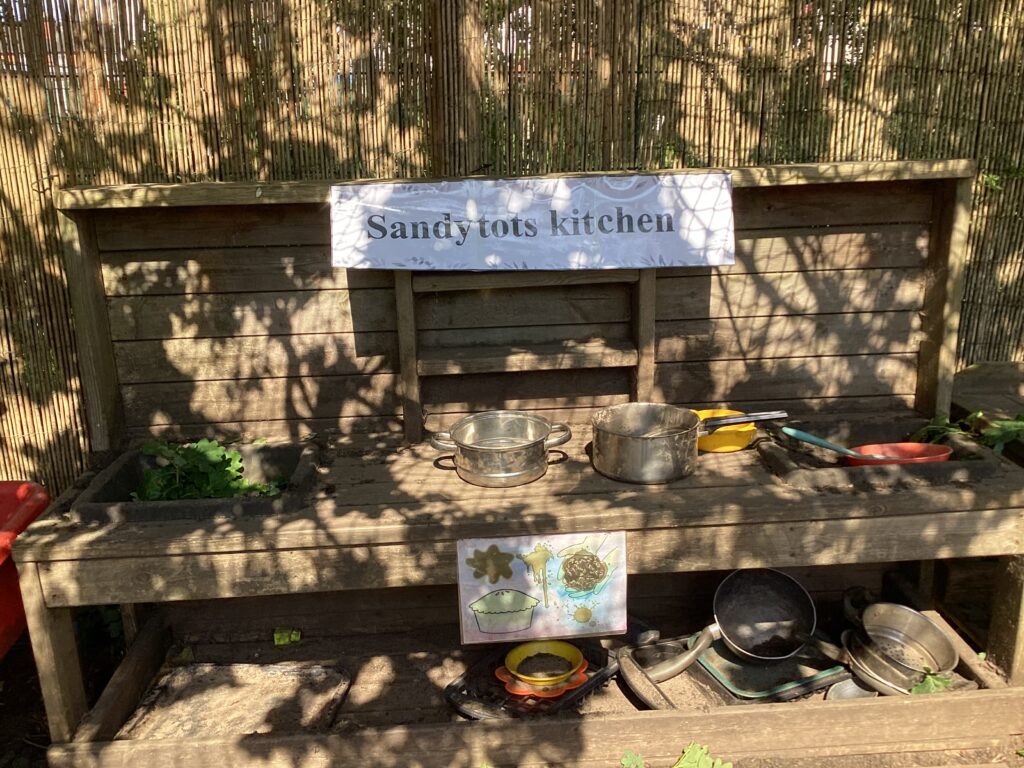
There’s something irresistible about mud. Whether they’re squelching through puddles, racing across muddy grass or whipping up a “mud pie” in our Mud Kitchen, children are naturally drawn to getting messy outdoors.
Mud play gives children the freedom to explore with all their senses while encouraging imagination and creativity. One child’s muddy puddle is another’s dinosaur swamp, pirate island or magical potion station!
Benefits of mud play:
Develops gross motor skills through running, balancing and jumping
Strengthens fine motor skills through scooping, pouring and mixing
Encourages imaginative and role play
Builds confidence and resilience through exploration
Supports communication and teamwork
Provides rich sensory experiences
Helps children connect with the natural world
Painting
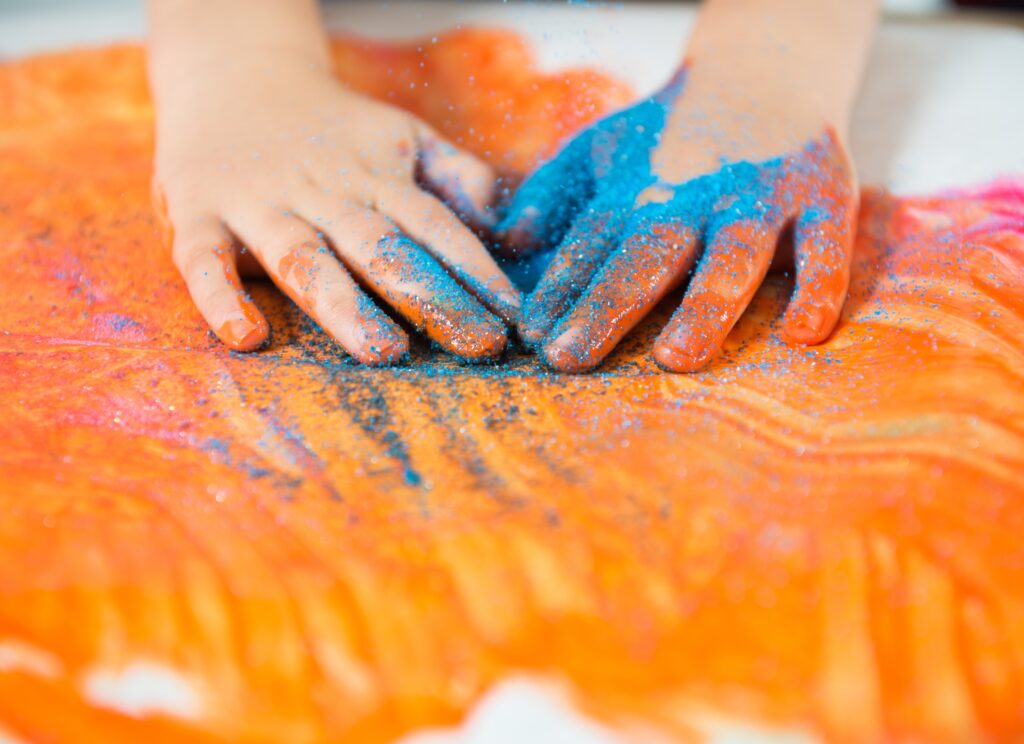
From finger painting to painting with brushes, art activities allow children to express themselves freely.
Benefits:
Supports creativity and self-expression
Develops hand-eye coordination
Strengthens fine motor skills
Introduces colours and early mark-making
Sand Play 🏖️
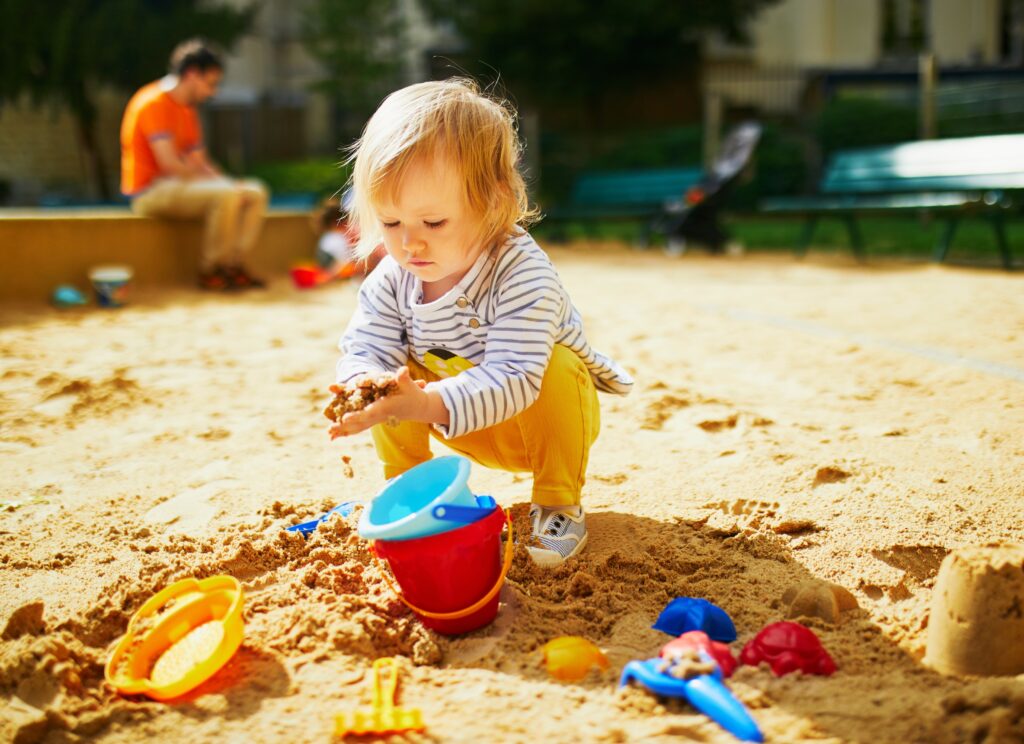
Sandpits offer endless opportunities for digging, pouring, building and creating.
Benefits:
Strengthens fine motor skills through scooping and pouring
Introduces early maths concepts like volume, size and measurement
Encourages creativity and imaginative play
Develops language through collaborative play
Provides calming sensory experiences
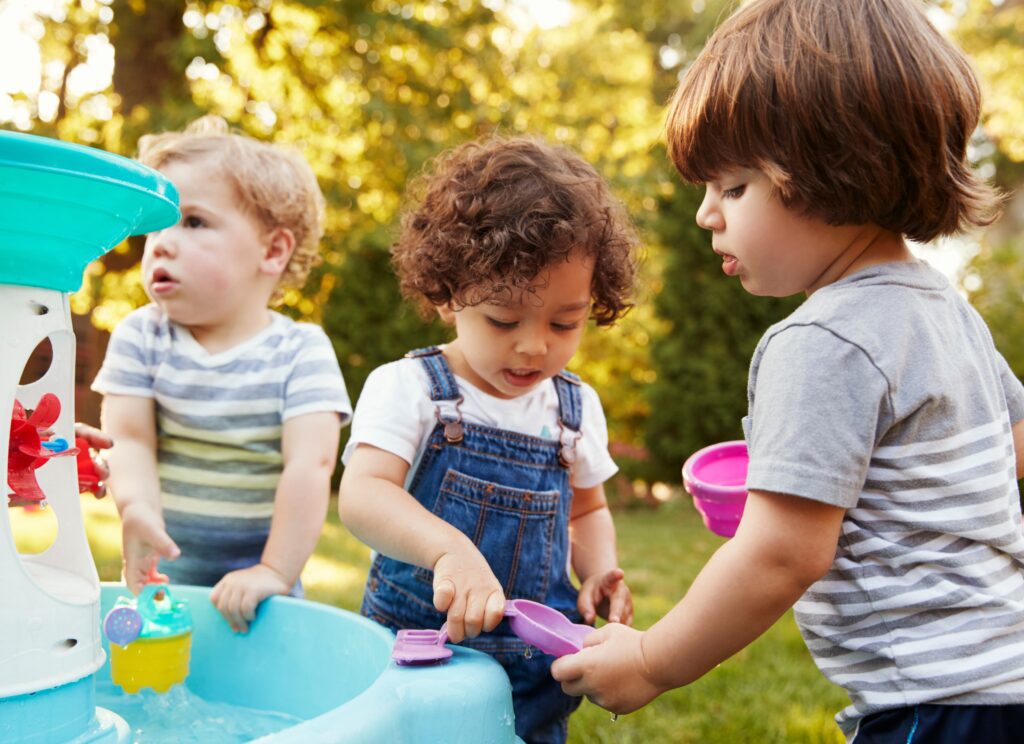
Water Play
Pouring, scooping and splashing water can keep little ones entertained for hours.
Benefits:
Introduces early maths concepts such as volume and capacity
Develops coordination and motor skills
Encourages scientific thinking and experimentation
Provides a calming sensory experience
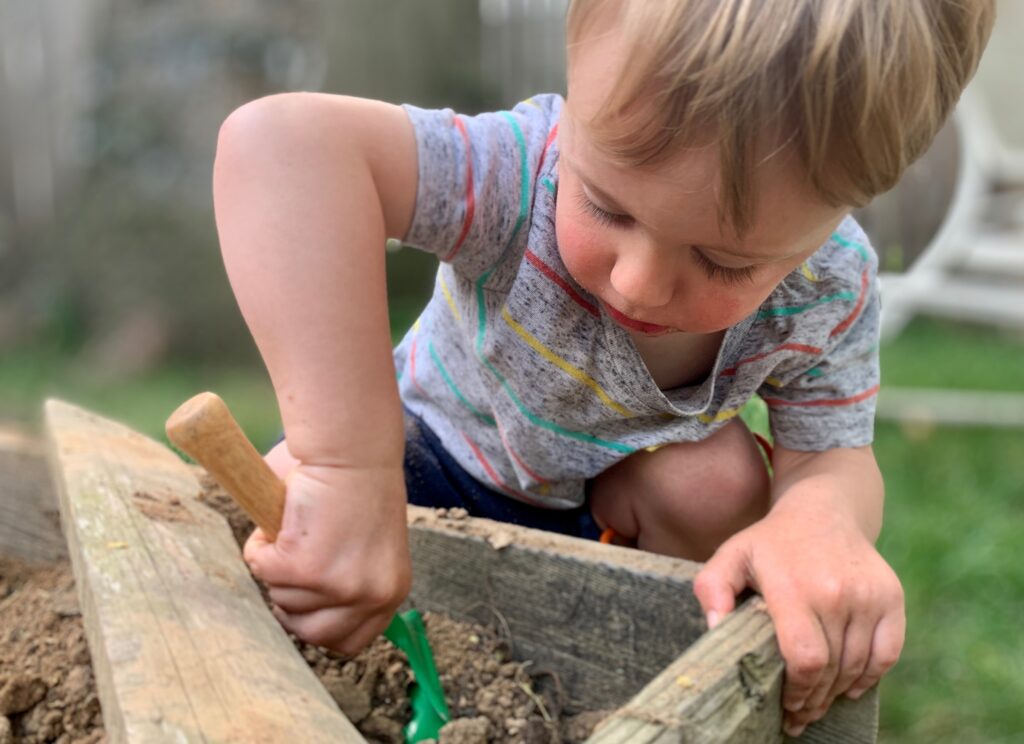
Gardening
Digging, planting seeds and watering plants are wonderful ways to connect with nature.
Benefits:
Teaches responsibility and patience
Encourages curiosity about the natural world
Develops fine motor skills
Supports understanding of growth and life cycles
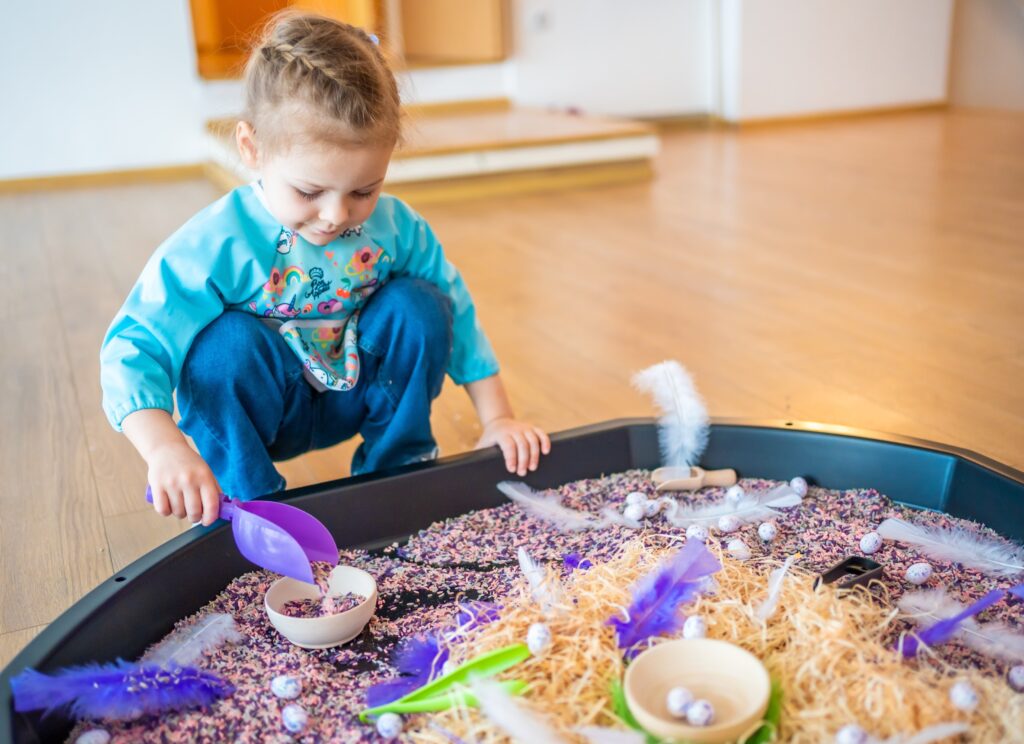
Sensory Trays
Sand or natural objects can create exciting sensory experiences.
Benefits:
Engages all five senses
Supports language development as children describe textures
Encourages problem-solving and exploration
Helps children regulate emotions
The beauty of messy play is that while children may come home with muddy knees, sticky fingers or paint-covered sleeves, they’re also building essential skills that support their development for years to come.
If you’d like to find out more about messy play, please speak to your child’s key worker, who will be more than happy to chat about all things messy play and share how your little one learns through these activities at nursery.